Intro chapters · Six units
The comedy course
From your first joke to your own voice. Study the craft, write a rep, bring it to the room.
Meet the masters
All courses →Syllabus
Six units. Find your voice.
The History of Comedy (And Other Crimes)
You learn that everything you're doing was already done — badly — by someone in a toga.
 01
9 min · Free
The First Joke Was Probably About Someone Falling
 02
10 min · Free
Greeks, Togas, and the Invention of the Callback
 03
9 min
Shakespeare Wrote Dick Jokes For Money
 04
11 min
Vaudeville: The Original Open Mic, But With More Tuberculosis
 05
11 min
Radio, TV, and the Great Laugh Track Hostage Situation
 06
12 min
Bricks, Clubs, Specials, and the Internet Eating Everything
 07
8 min
Reps: How Poker Players Got Great in 18 Months, and You Will Too
See Funny
You stop walking past material like it owes you money.
Write Funny
You build jokes on purpose instead of praying.
- 01
10 min
Joke Anatomy: The Setup Is A Lie You Tell On Purpose
- 02
11 min
Build Material: From Premise to Five Minutes
- 03
9 min
Setup / punch architecture
- 04
10 min
The operators and how to stack them
- 05
8 min
Specificity, brevity, word order
- 06
8 min
Tags: three laughs from one premise
 07
8 min
Add the egg: the human detail that makes it yours
Be Funny
The words survive contact with your mouth.
Destroy The Room
You control the room, not the script.
Professor
You can explain why it's funny, teach it, and build a voice nobody can copy.
 01
9 min
Comedy theory without the beret
- 02
10 min
Reverse-engineering the greats in the Film Room
- 03
9 min
Your Comedy DNA, your gaps, your curriculum
- 04
9 min
Coaching other comics (the fastest way to get better)
 05
9 min
Persona: Being The Most Specific Version Of Yourself
 06
12 min
The Final Show: Teach It, Own It, Perform It
Part of THE BIG COURSE
Twenty mini-masterclasses from the masters.
Each is a mini-masterclass set inside THE BIG COURSE: seven modules per master — real clips, named techniques, research, drills. Steal one skill at a time, or take them in course order. Module 1 of every master is free.
Every drill you write here feeds the comedy LLM, so your punch-ups and coaching keep speaking in your voice, not a generic one.
7 chapters
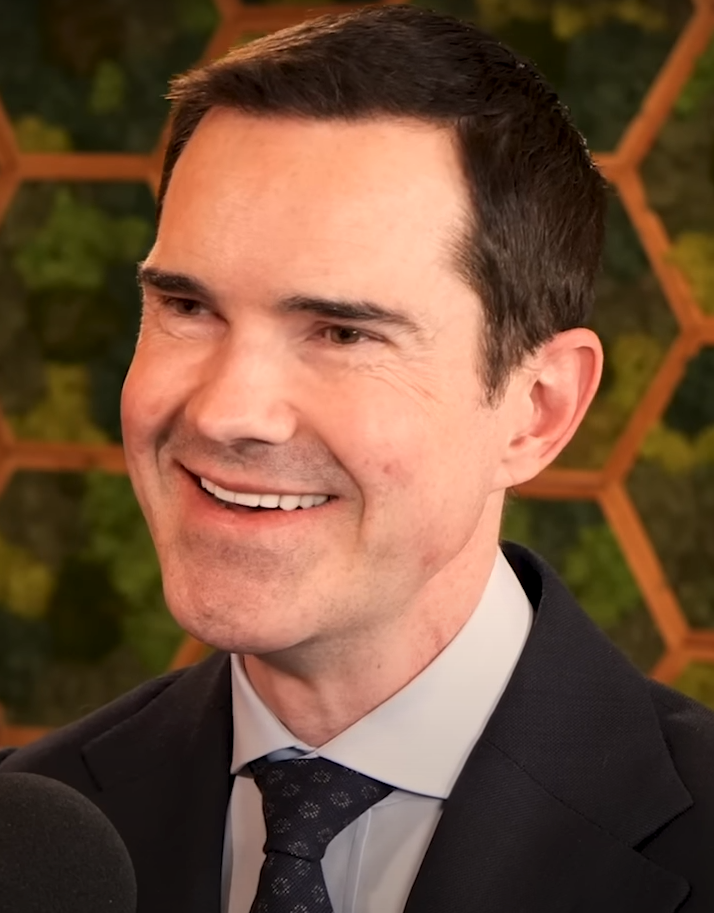
Jimmy Carr
One-liners, misdirection and the dark turn.
7 chapters
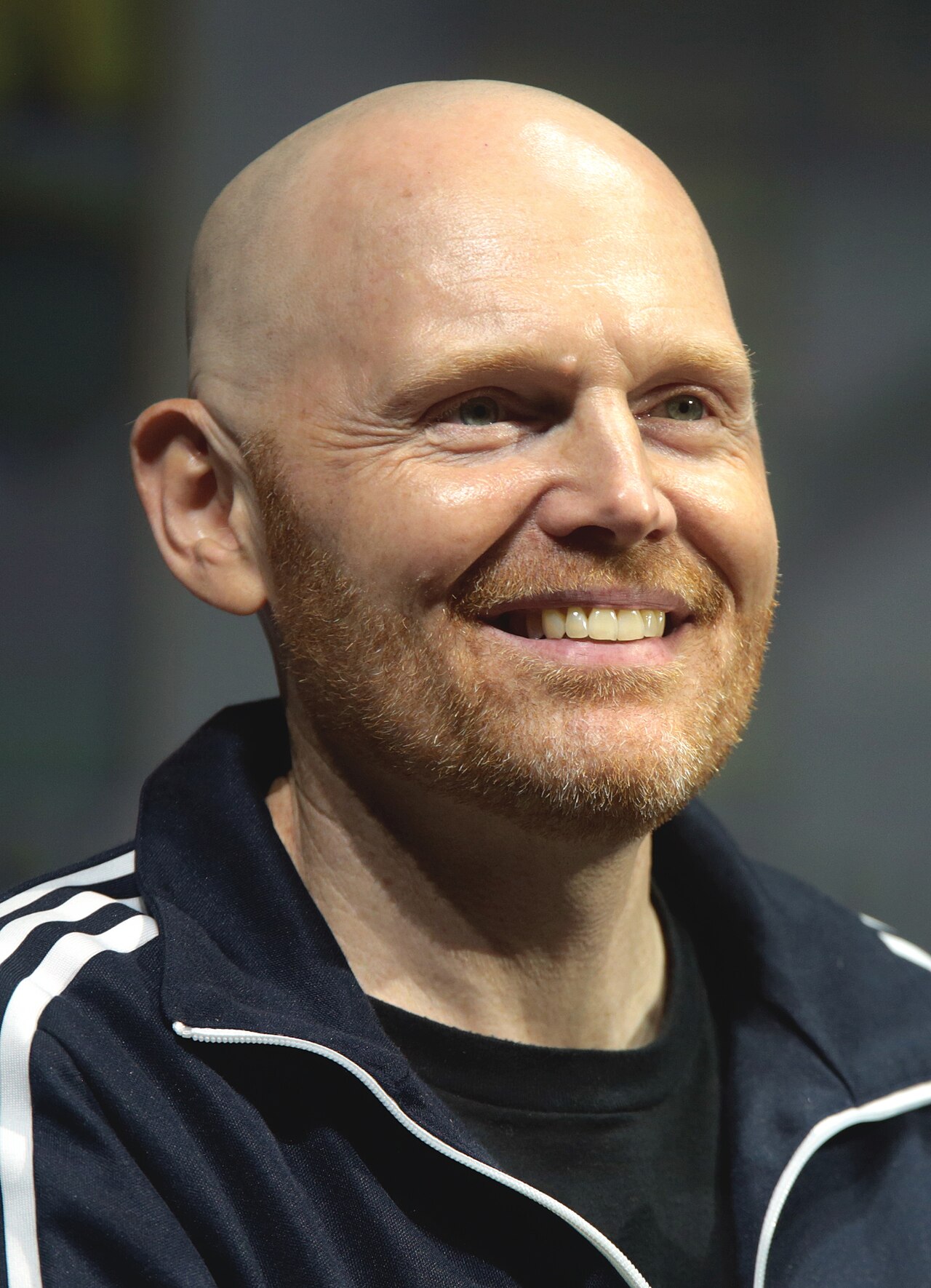
Bill Burr
The rant, the self-own, and how to say the thing everyone's thinking without losing the room.

7 chapters
Nate Bargatze
Clean, slow, and devastating: the art of the confused everyman.
7 chapters
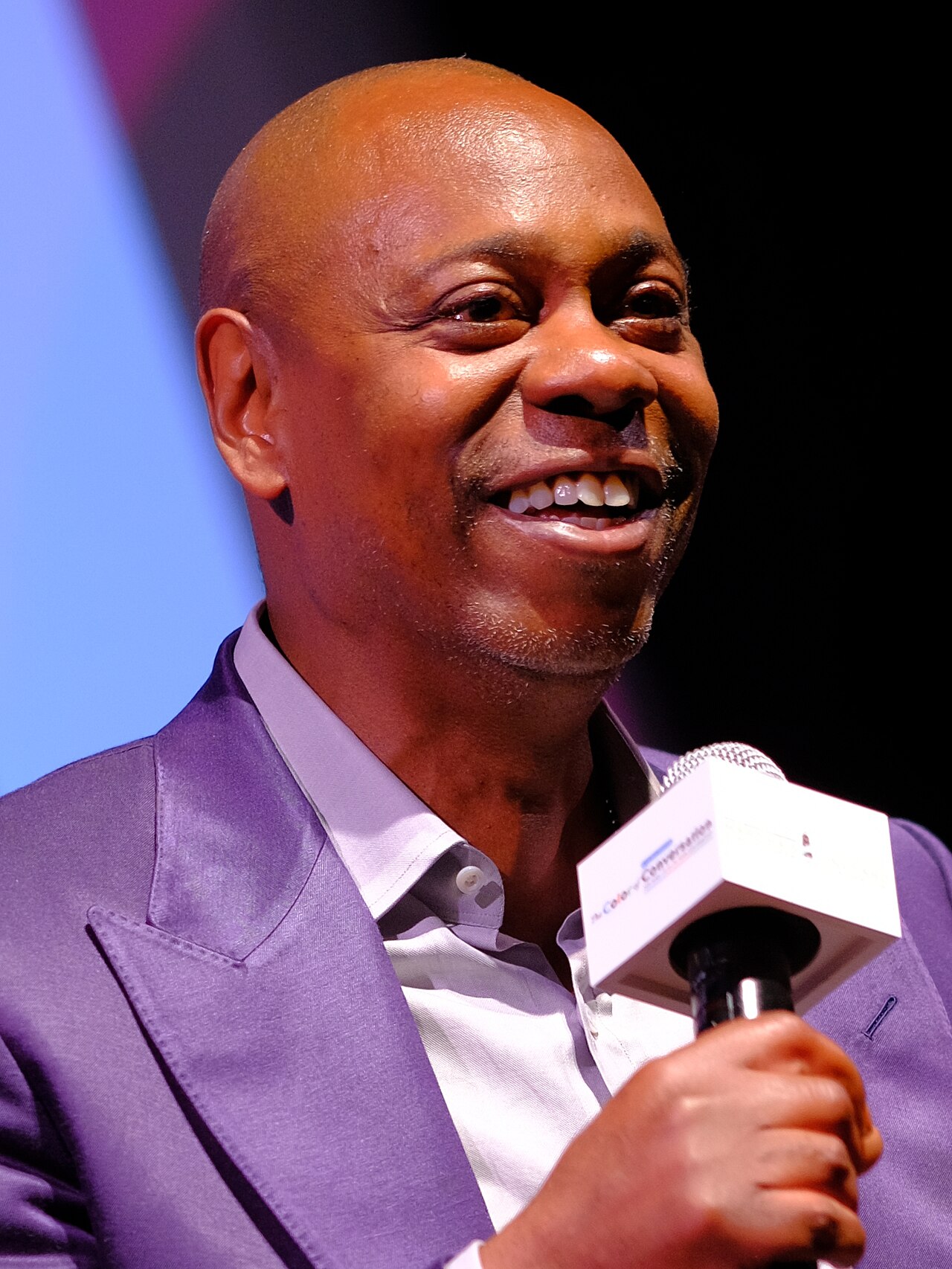
Dave Chappelle
Storytelling, misdirection and fearless point of view from one of the most influential comics alive.
7 chapters
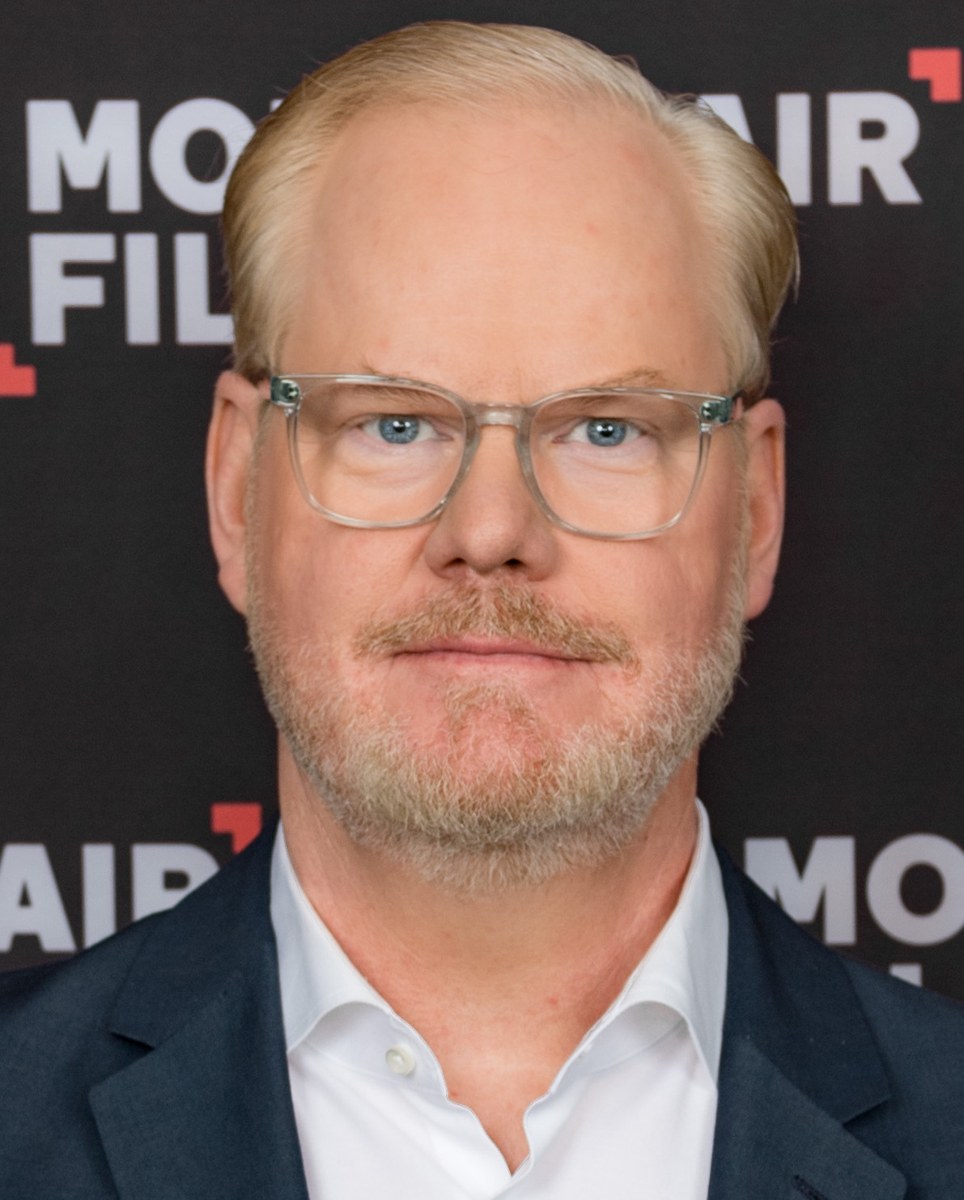
Jim Gaffigan
The inner voice, the food bit, and clean material that never runs out of tags.
7 chapters
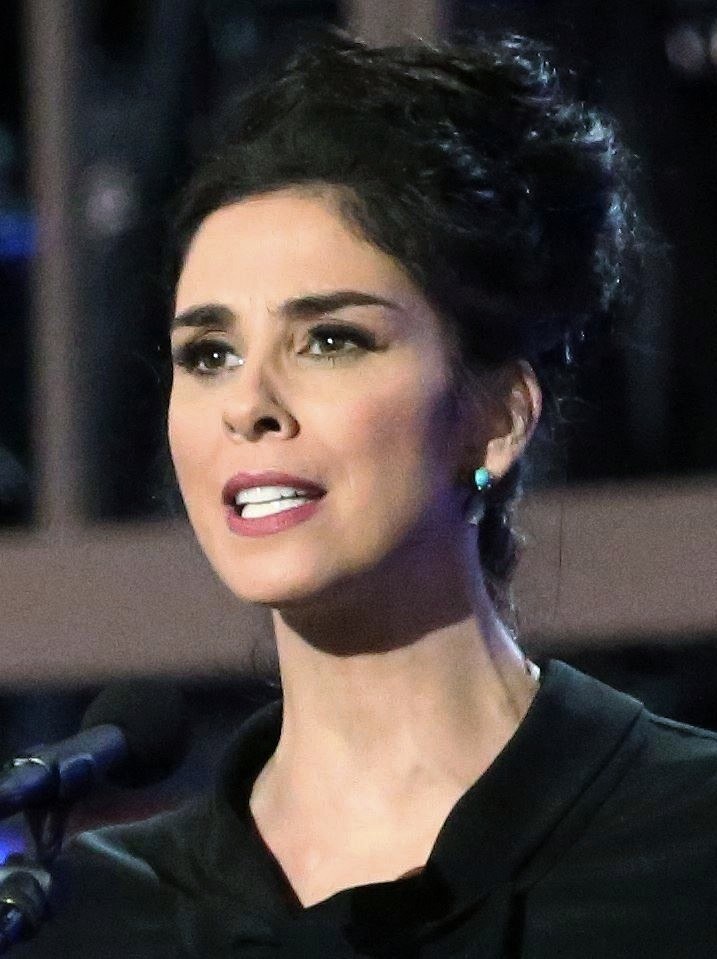
Sarah Silverman
The innocent delivery: a sweet surface, an outrageous idea, and the irony between them.
7 chapters
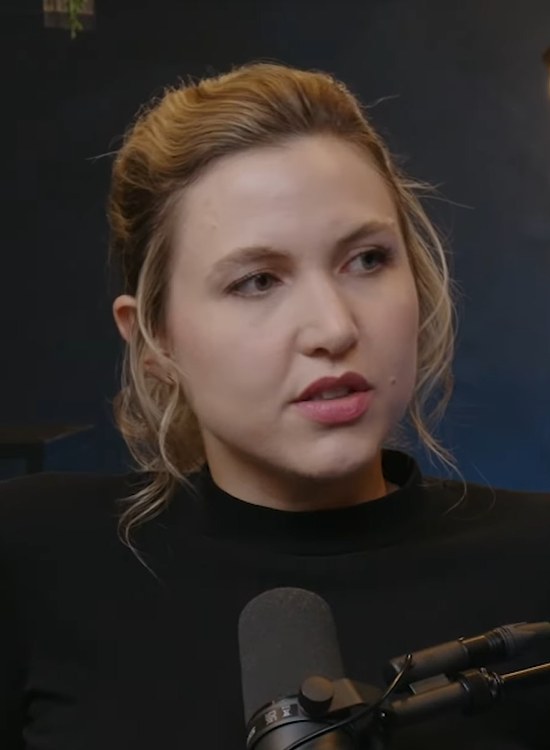
Taylor Tomlinson
Confession with a turn: personal truth, vivid analogies, and escalation that hits every 20 seconds.
7 chapters
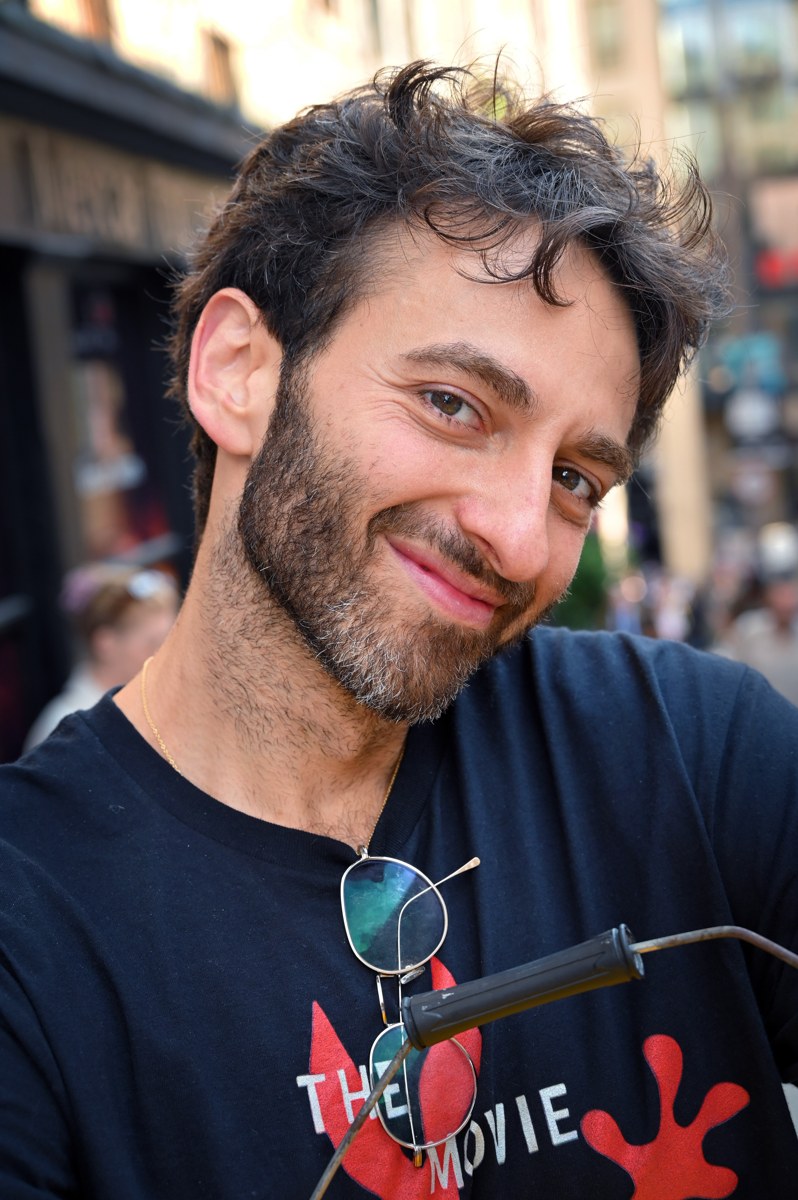
Gianmarco Soresi
Crowd work as scene work: listen, heighten, and turn the room into the show.
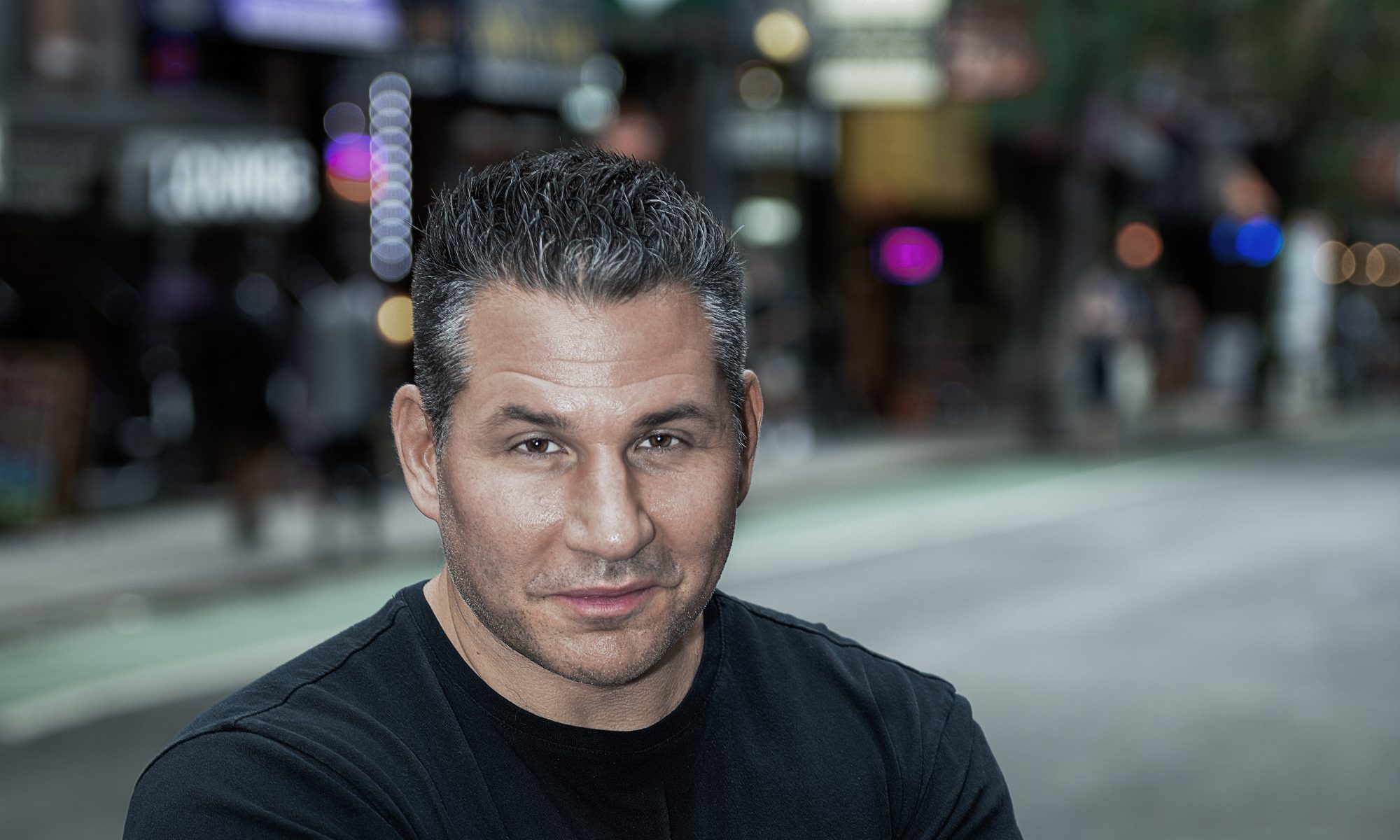
7 chapters
Mike Vecchione
Economy of words: compression, misdirection, and the deadpan reveal.
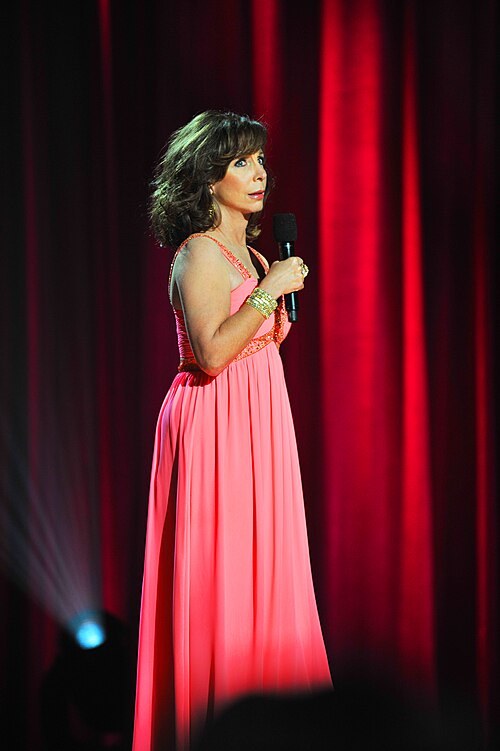
7 chapters
Rita Rudner
The quiet reversal: understated one-liners that command a room without raising your voice.

7 chapters
Nikki Glaser
Say the unsaid: radical candor, sharp specifics, and roast-level writing.
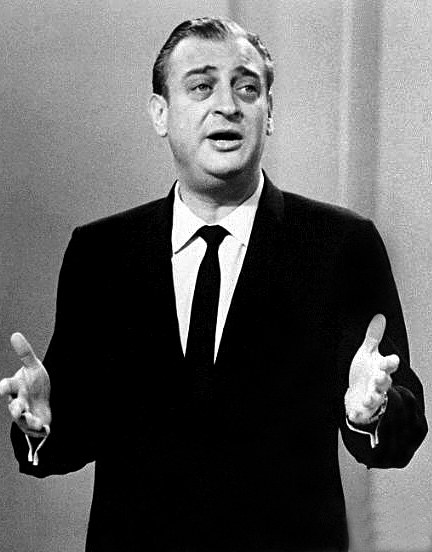
7 chapters
Rodney Dangerfield
No respect: one persona, one recurring premise, and the densest one-liners in stand-up.
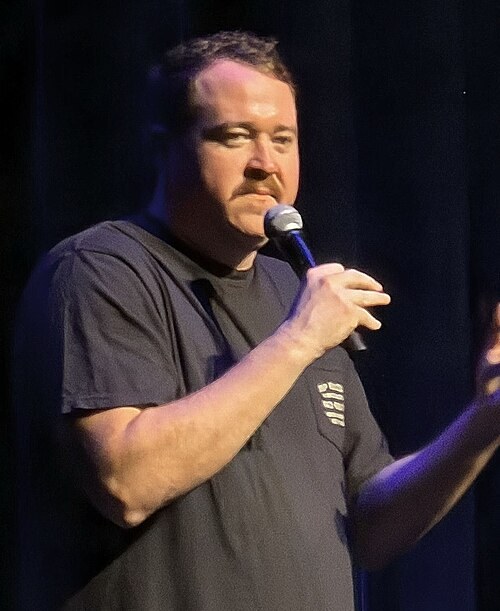
7 chapters
Shane Gillis
Impressions, characters, and taboo observations that stay warm because the biggest target is himself.
7 chapters
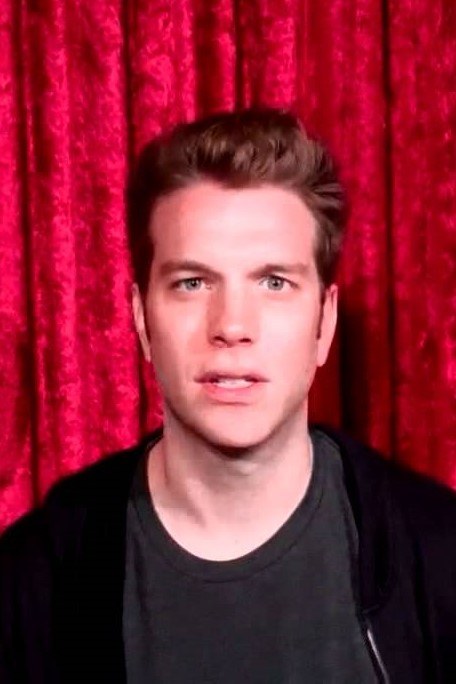
Anthony Jeselnik
Dark misdirection, surgical setups, and the coldest delivery in stand-up.

7 chapters
John Mulaney
Crafted storytelling: language so polished it's music, act-outs so sharp they're cinema.
7 chapters
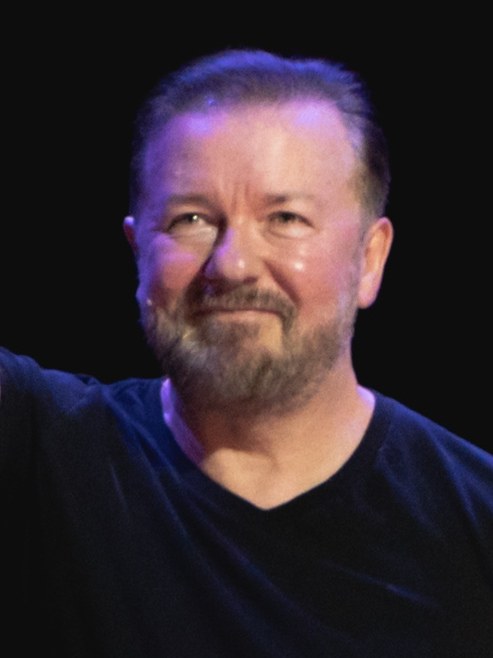
Ricky Gervais
Provocation, argument, and the art of defending a joke while telling it.
7 chapters
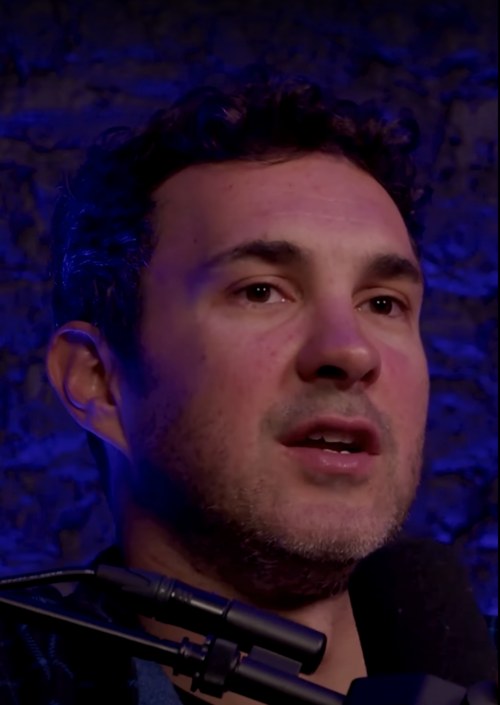
Mark Normand
Rapid-fire setup/punch, wordplay, and more jokes per minute than almost anyone.
7 chapters
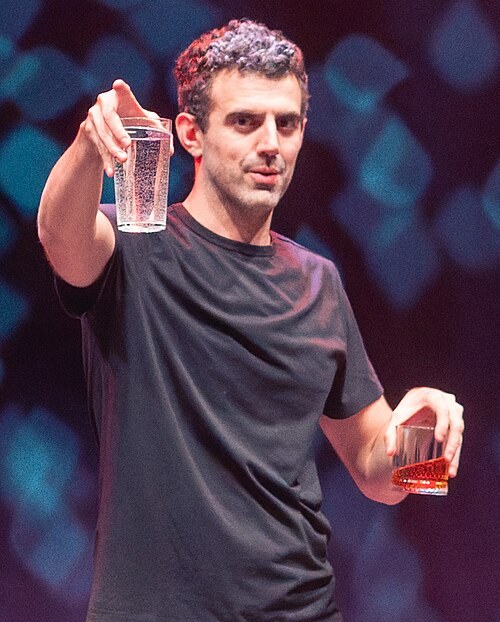
Sam Morril
Economical joke writing, deadpan delivery, and more punches per paragraph than the law allows.
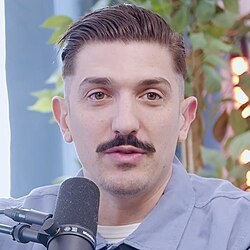
7 chapters
Andrew Schulz
Crowd work, improvisation, and building a career with no network's permission.
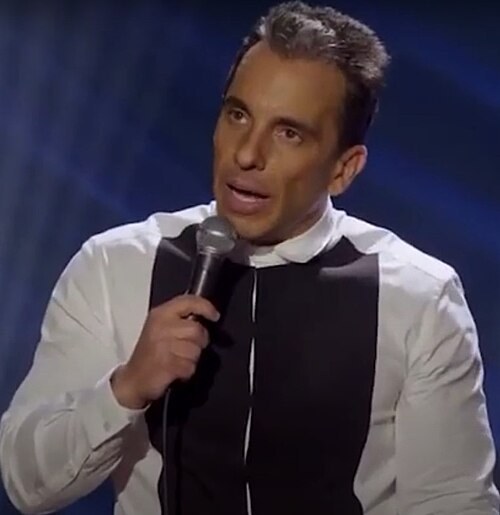
7 chapters
Sebastian Maniscalco
Physicality, act-outs, and the character who can't believe what the world is doing.
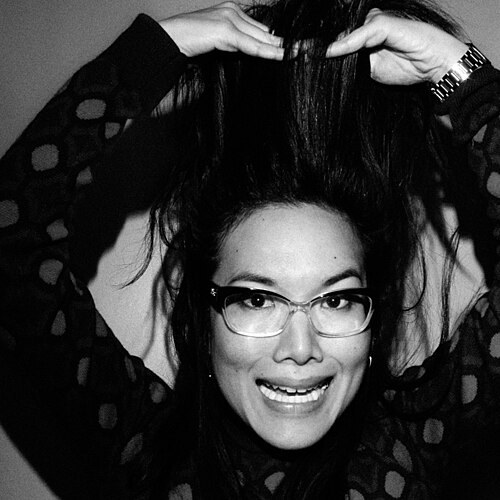
7 chapters
Ali Wong
Persona, confession, and saying the thing about motherhood and marriage nobody else would.

7 chapters
Tom Segura
Deadpan storytelling with a dark heart: patience, understatement, and the slow reveal.
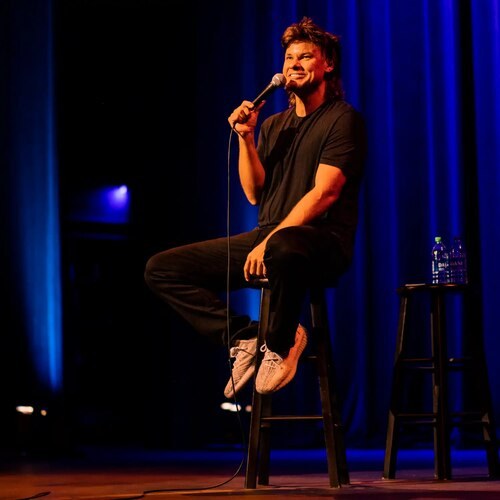
7 chapters
Theo Von
Surreal storytelling: unexpected associations, Southern roots, and tangents no one saw coming.
7 chapters
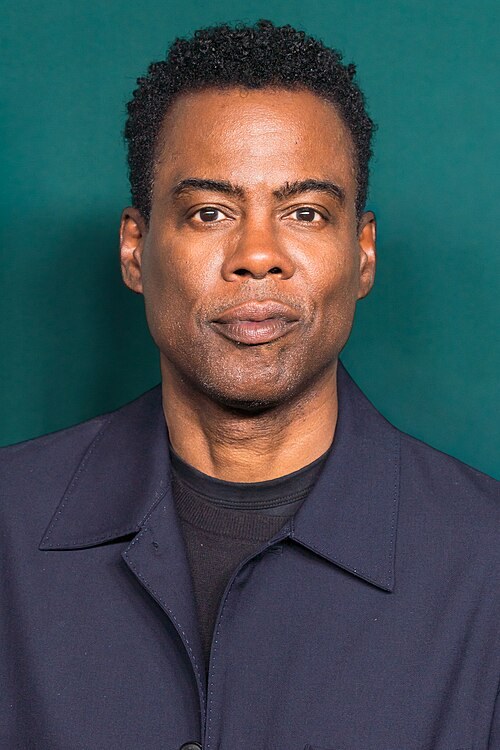
Chris Rock
Repetition, thesis-driven comedy, and social observation delivered like a sermon.
7 chapters
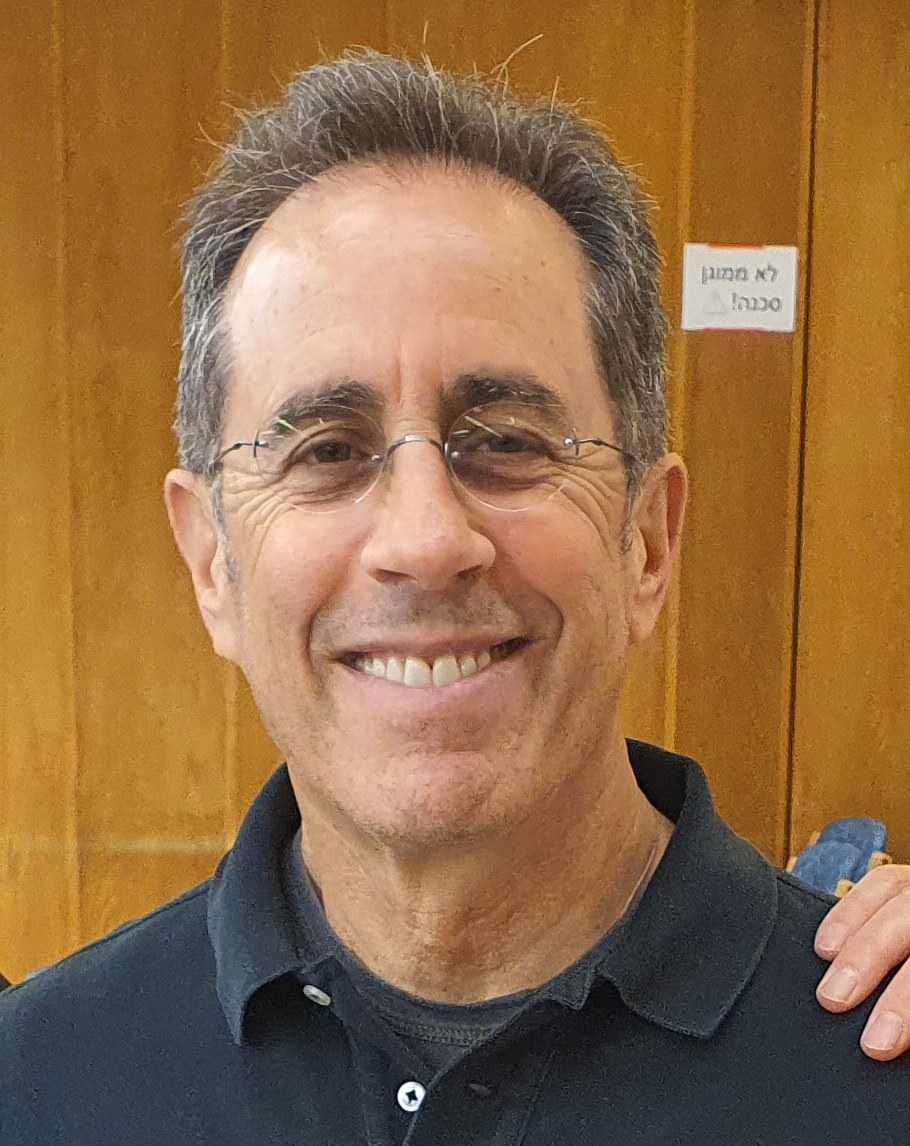
Jerry Seinfeld
Observational construction and premise refinement: the craft behind the greatest sitcom act ever built.
The loop
Work the material. Perform on a weekly call. The room votes you up.
Every tool here feeds one thing: your level. Lessons and the Gym build the material, the weekly call puts it in front of people, and the other participants — not us — decide when you've cleared a level. The Leadership Academy runs alongside it, teaching how comedy invented every leadership skill worth having.
Step 1 — Build
Lessons, the LOL Engine, the Gym, your Comedy DNA.
Step 2 — Perform
Random running order on a weekly call. Real people, real silence.
Step 3 — Get voted
Peers score you and say whether you're ready for the next level.
Membership
Membership opens soon. Get on the list.
Membership is paused while we open new spots. Join the waitlist and you'll hear first — the Comedy Atlas stays outside the gate, free and shareable, forever.